

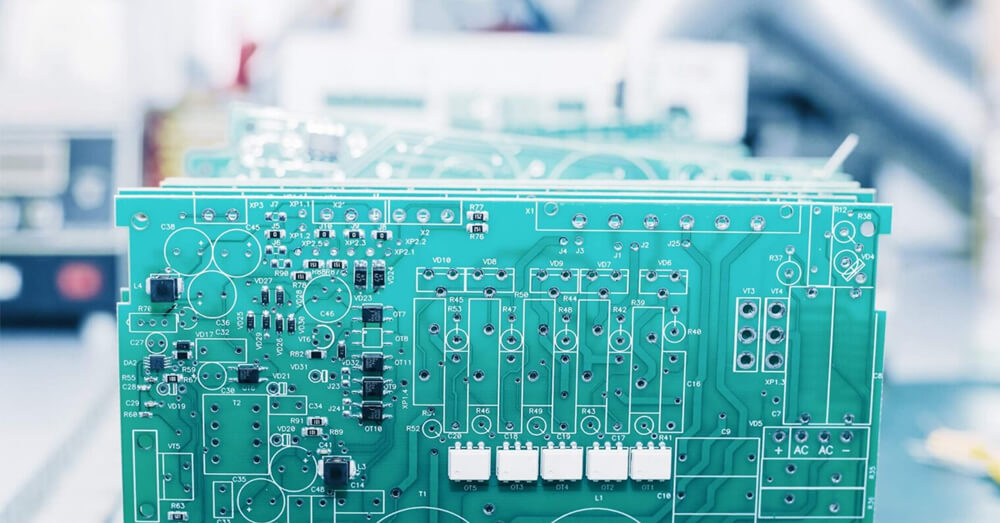
Using IPC Standards for DFM Improvements in PCB Manufacturing
In today’s fast‑moving electronics industry, Design for Manufacturability (DFM) takes major role in determining whether a PCB can be produced reliably, affordably, and at scale. As PCB designs get more complex with tighter spacing, more layers, new materials, and smaller features, design teams face increasing pressure to create layouts that are functional, and can be […]
Comparison of PCB Design Tools
Your choice of PCB design software will have a big impact on how well a project moves from idea to finished product. Engineers often weigh factors like design complexity, cost, collaboration needs, and how well the tool integrates with manufacturing. Understanding the differences between the most widely used platforms makes it easier to select the […]
Powering the Next Generation of Smart Devices via Flexible & Rigid-Flex Wearable Technology PCBs
Wearable technology is rapidly changing the way we interact with digital systems, whether we’re tracking workouts, monitoring our health, staying connected, or exploring augmented reality. From smartwatches and fitness bands to medical sensors and AR devices, wearables utilize small, reliable electronics, capable of withstanding constant movement. That’s where flexible PCBs and rigid‑flex PCBs become advantageous. […]
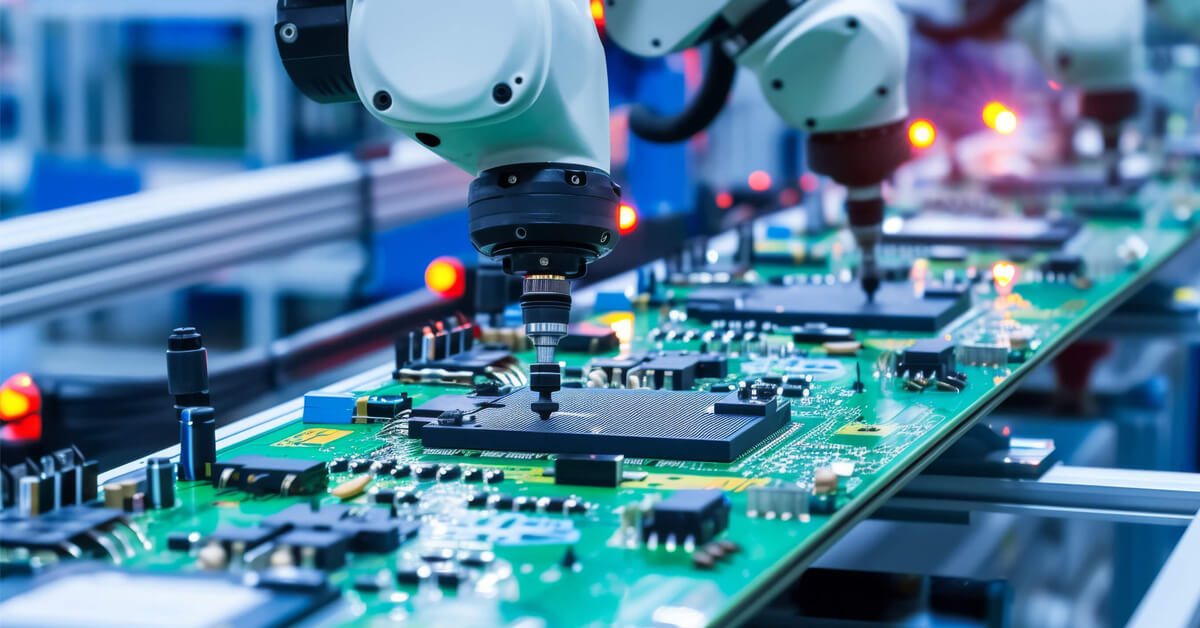
Essential Strategies for Developing High Quality Electronic Assemblies
Producing high quality electronic assemblies requires effective designs which incorporate decisions related to fabrication, assembly, testing, and long term reliability. The most effective product development efforts in the PCB industry come from early collaboration, solid engineering discipline, and an understanding of how design choices can ripple throughout the manufacturing process. As assemblies grow more complex […]
The Importance of DRC (Design Rule Checks) in PCB Design
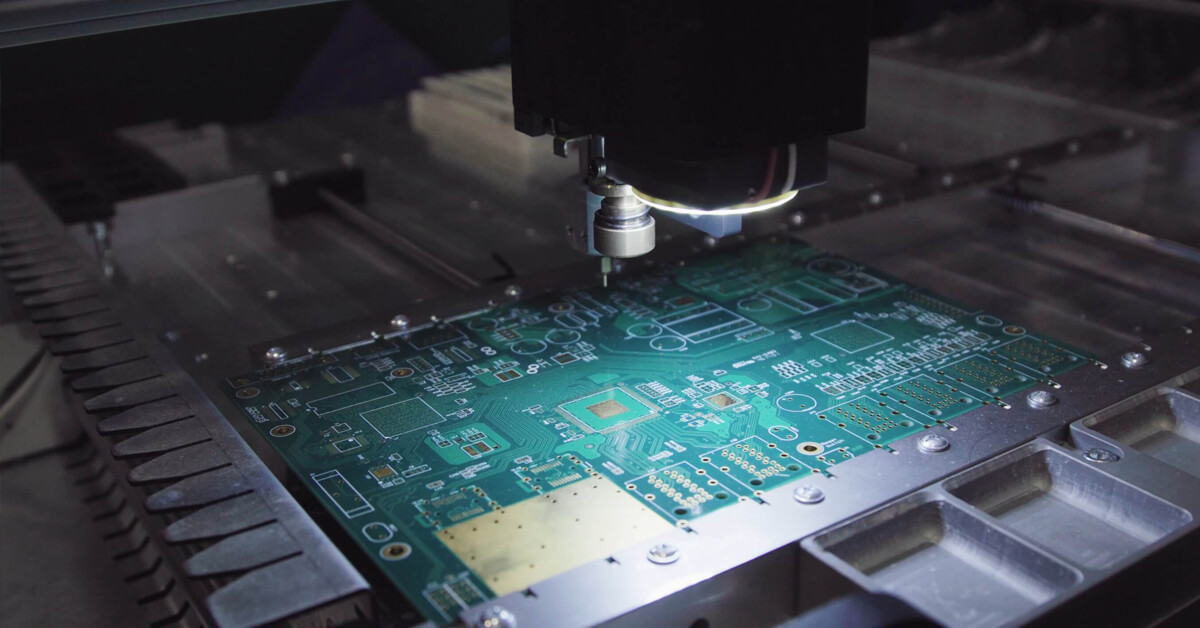
Printed Circuit Boards (PCBs) are a foundational element of nearly every electronic device ( consumer gadgets to advanced industrial, automotive, and medical systems). As the complexity of designs increase and the physical size decreases, there’s less room for error. Any small layout mistake can cause manufacturing failures, signal issues, or long‑term reliability problems. One of […]
Design for Manufacturability (DFM) and Collaboration To Improve Efficiency and Innovation in Electronic Assembly
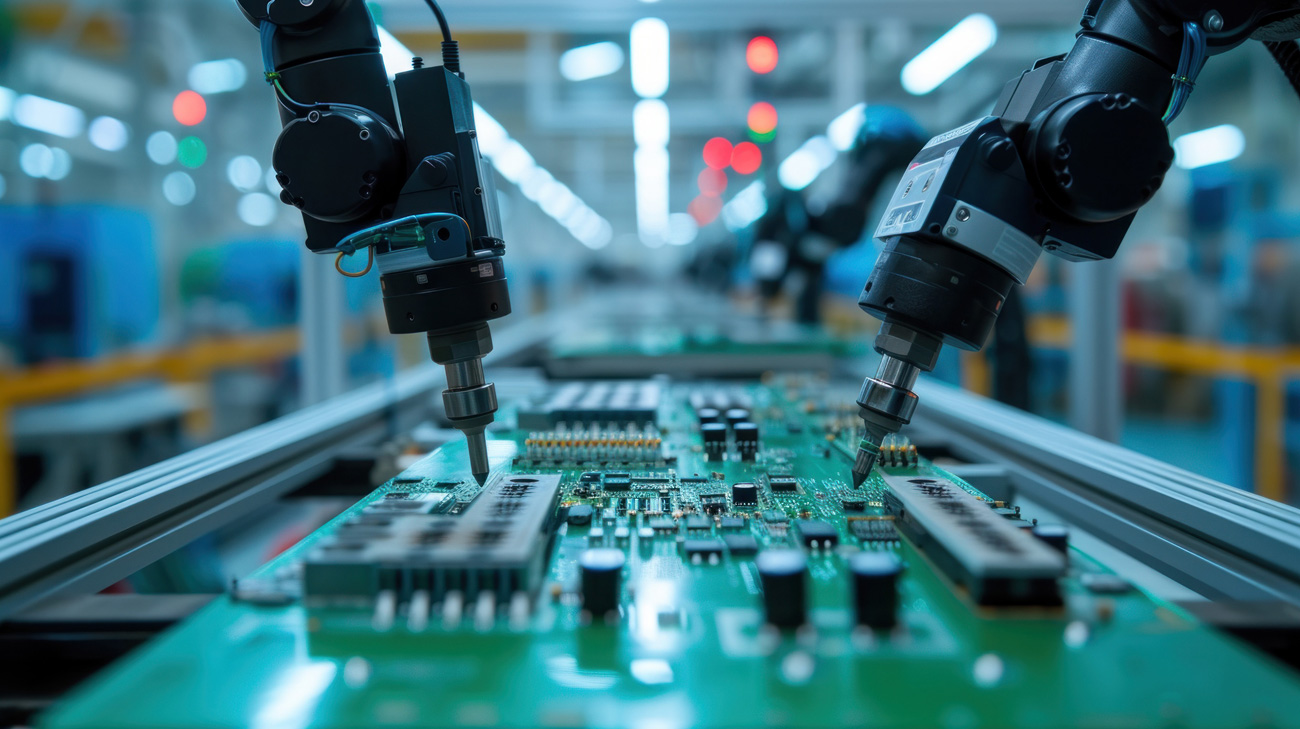
Design for Manufacturability (DFM) can play a significant role in bringing reliable, cost efficient new products to market. When it comes to PCB design and electronic assembly, DFM considerations can ensure a board can be built, assembled, and tested smoothly—without surprises or last minute redesigns. By considering manufacturing constraints early, companies can cut down on […]
A Closer Look at the Most Popular PCB Surface Finishes
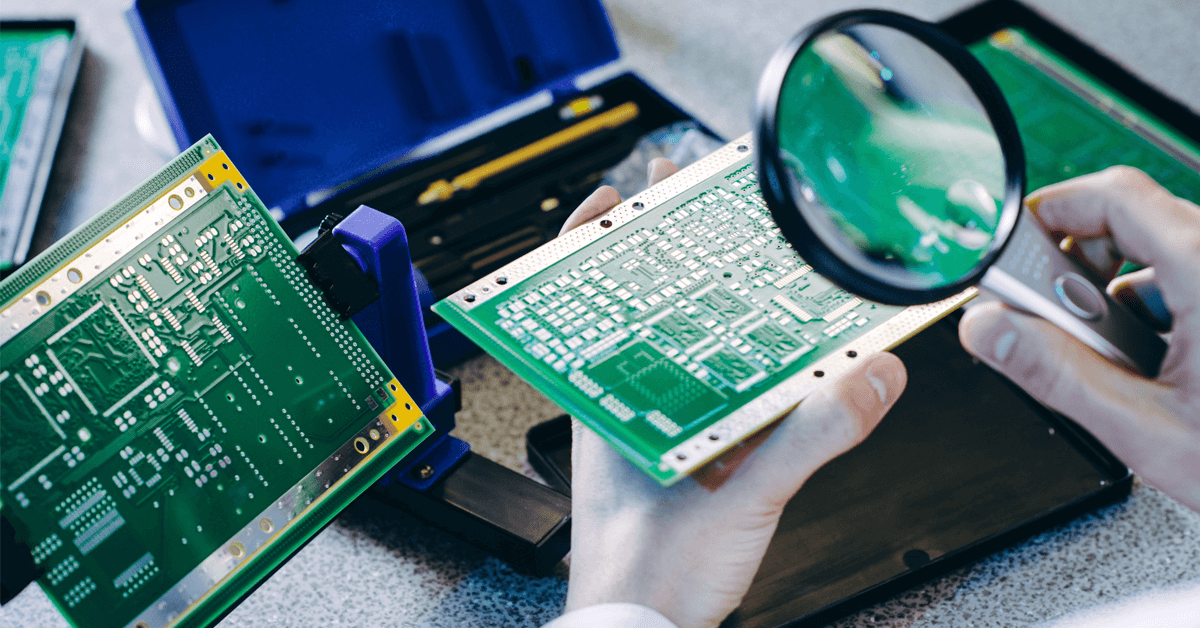
When you consider a printed circuit board (PCB), it’s easy to focus on layout, components, solder mask color. But what about surface finish? They are the thin protective layers applied over the PCB’s copper features to prevent oxidation and improve solderability thereby enhancing manufacturability and product reliability. As electronic products become smaller, more complex, and […]
The Significance of IPC Standards in PCB Manufacturing
The printed circuit boards (PCBs) have played a major role in the electronics we use in the modern world: smartphones and medical equipment, among others. Their reliability and performance is of paramount importance and this is where IPC standards are applied. The organization was originally referred to as the Institute for Printed Circuits but it […]
The Importance and Benefits of Thermal Profiling in PCB Assembly
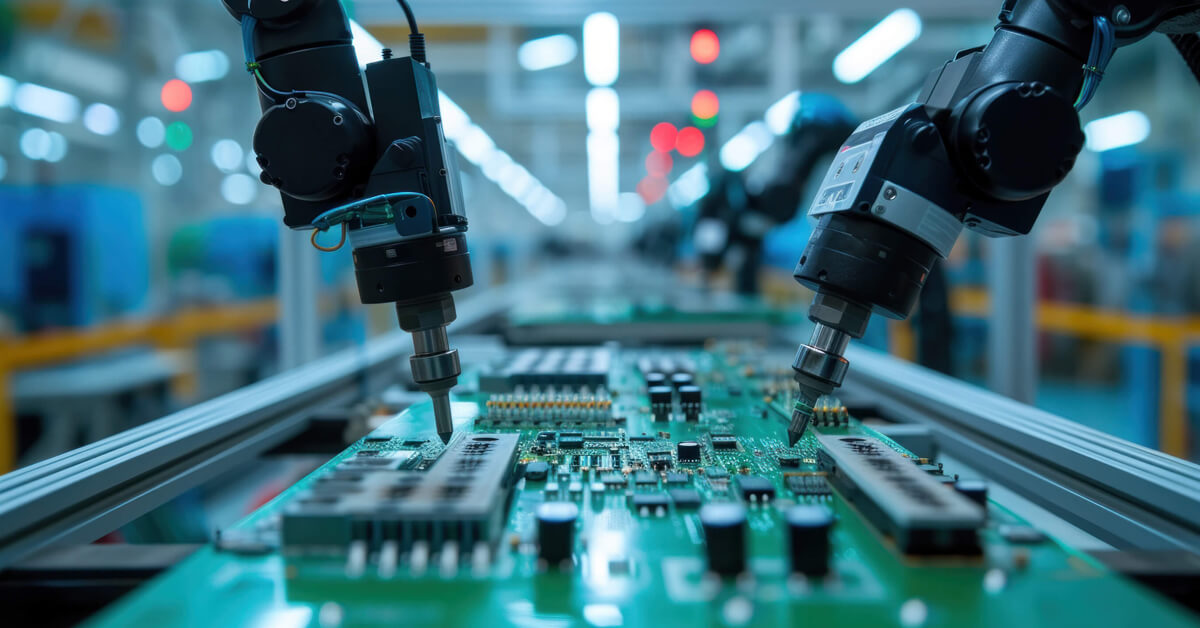
Thermal profiling is an important process in PCB assembly where each board is subjected to the right temperature variations during the conduct of the soldering process. This step is essential to ensure that the solder joints are of high quality, there is no destruction of the components and the final product is fairly reliable. This […]
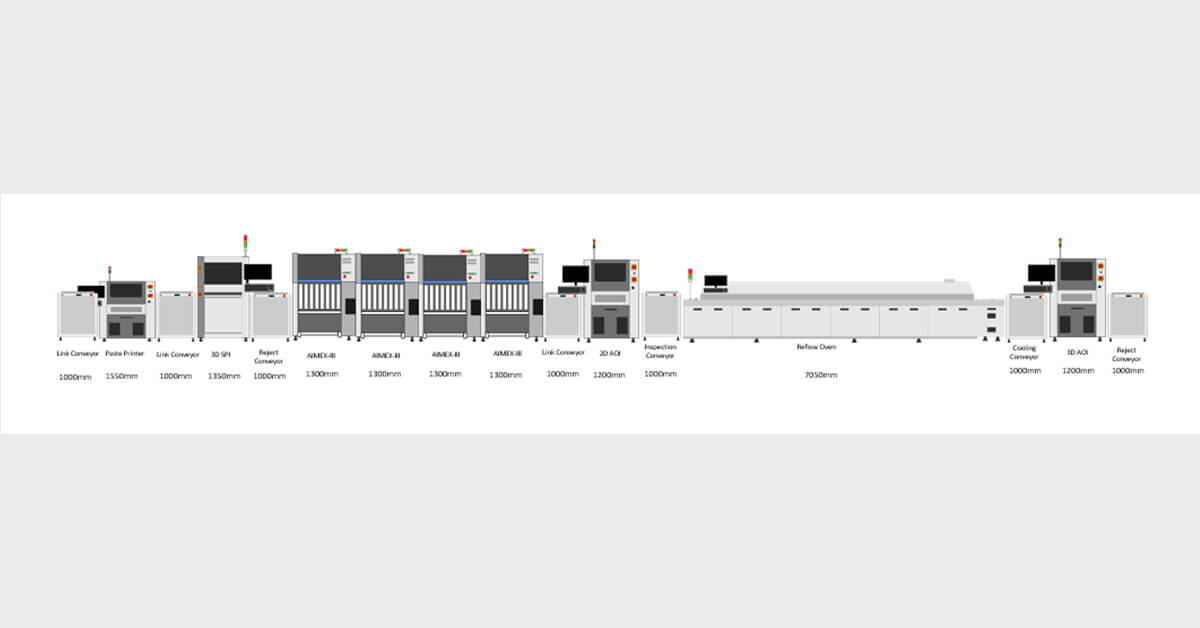
Mega Integrated SMT Assembly Line
A mega integrated Surface Mount Technology (SMT) assembly line is a highly automated and efficient system used for mass-producing electronic circuit boards. Here’s a description of the key components and processes involved: Key Components of an SMT Assembly Line 1. Solder Paste Printer: Applies solder paste to the PCB through a stencil, ensuring precise placement […]