

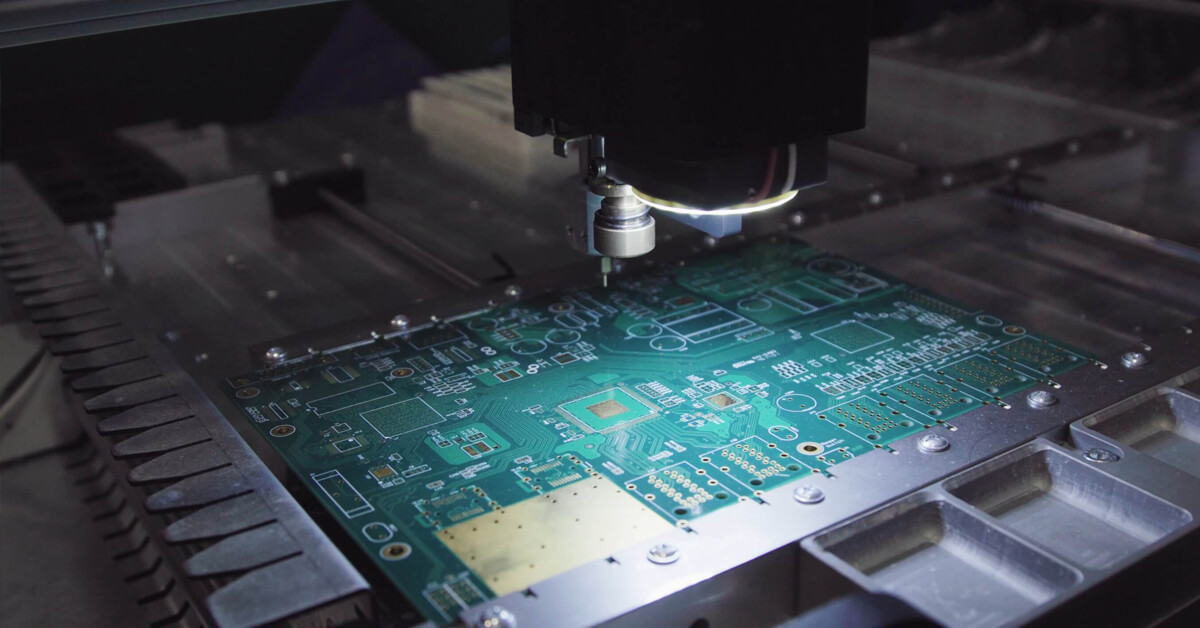
The printed circuit boards (PCBs) have played a major role in the electronics we use in the modern world: smartphones and medical equipment, among others. Their reliability and performance is of paramount importance and this is where IPC standards are applied. The organization was originally referred to as the Institute for Printed Circuits but it is now the Association Connecting Electronics Industries. It offers a detailed code of conduct that regulates all the operations of PCB design, production, and assemblies. The following is a detailed analysis of the relevance of IPC standards in PCB manufacturing.
1. Assuring Quality and Reliability
The IPC standards are the keys to the high quality and reliability in the PCB manufacturing. These standards deal with many areas such as design, materials, processes and testing. The compliance with the IPC standards gives the manufacturers an opportunity to make sure that the quality of their products meets very high standards, preventing possible failures and improving the overall reliability of the electronic devices.
2. Standardization within the Industry
The main advantage of IPC standards is that they have standardized PCB manufacturing industry. IPC has more than 300 standards and this offers in-depth specifications of each phase of PCB life cycle including the design and the final assembly. This standardization brings uniformity in the working of various manufacturers and products, and also provides easy interoperability and compatibility in the worldwide electronics market.
3. Reducing Errors and Defects
The IPC standards are useful in reducing the errors and defects during the manufacturing of PCB. Through these guidelines, manufacturers will be able to streamline their operations, minimize the rework rates, scrap rates and overall efficiency. This reduces the cost of production, as well as improving the reliability and performance of the final products.
4. Adherence to Regulatory Requirement
IPC standards are not legally binding but they tend to coincide with regulatory standards in most industries. An example of this is IPC-1752 standard in supporting the compliance system of hazardous substances along with the European REACh regulations. With the IPC standards, manufacturers can find it easier to comply with the regulatory requirements, which make their products safe and which can be considered as compliant with the international laws.
5. Nurturing Innovation and Technology
The IPC standards are important in innovation and technology development within the electronic industry. These standards offer engineers and designers an opportunity to work on new technologies and enhance the existing ones by offering them clear framework when it comes to designing and manufacturing. This creates a culture of innovation which propels the industry in the right direction resulting in the development of more advanced and dependable electronic devices.
6. Answering Global Supply Chains
In this era of globalized economy, supply chains also tend to cut across countries and even continents. The standards of IPC are used to assure that PCBs produced in other locations around the world share the same quality and performance standards. This is especially crucial to multinational organizations whose production processes depend on an international supply chain to manufacture their products. Using the IPC standards, these firms can be able to achieve uniformity and dependability in all the chain of supply.
7. Improving Customer Satisfaction
The quality of products and reliability will ensure an increase in customer satisfaction. Adherence to the IPC standards can enable manufacturers to deliver PCBs that are of high quality or surpass those of the customers. This does not only aid in creating trust as well as loyalty amongst customers but an upward move in the reputation of the manufacturer in the market.
8. Offering Training and Resources
It is through IPC that training and certification of professionals in the electronics industry is also provided on a wide scale. Through such programs, the engineers, designers and technicians are kept abreast with the new standards and best practices. Through training, the companies can enhance the skills of their work force which results to quality products and more efficient production processes.
9. Enhancing Environmental Responsibility
In PCB manufacturing, environment is also taken care of by IPC standards. An example is the IPC-1401 standard that gives the guidelines on how to develop and implement an environmental management system. Through these standards manufacturers will be able to lower their impact on the environment, be sustainable and able to meet the environmental regulations.
10. Incorporating Change in the industry
Electronics business is dynamic, and every day, new technologies and materials are released. The IPC standards are constantly revised to accommodate these changes so that they will be relevant and effective. his flexibility will allow the manufacturers to keep up with the trends in the industry and have their competitive advantage in the marketplace.
Conclusion
To conclude, IPC standards play an important role in quality, reliability, and consistency of PCBs in the electronic industry. They offer a wide-ranging framework that encompasses all the facets of PCB design, manufacturing, and assembling and assists manufacturers to minimize errors, meet the regulations and innovate. Companies will be able to achieve customer satisfaction, facilitate global supply chains, and increase environmental responsibility by following the IPC standards. The IPC standards are important after all, as they contribute to the development of the electronics industry and provide high-quality and reliable electronic equipment.