

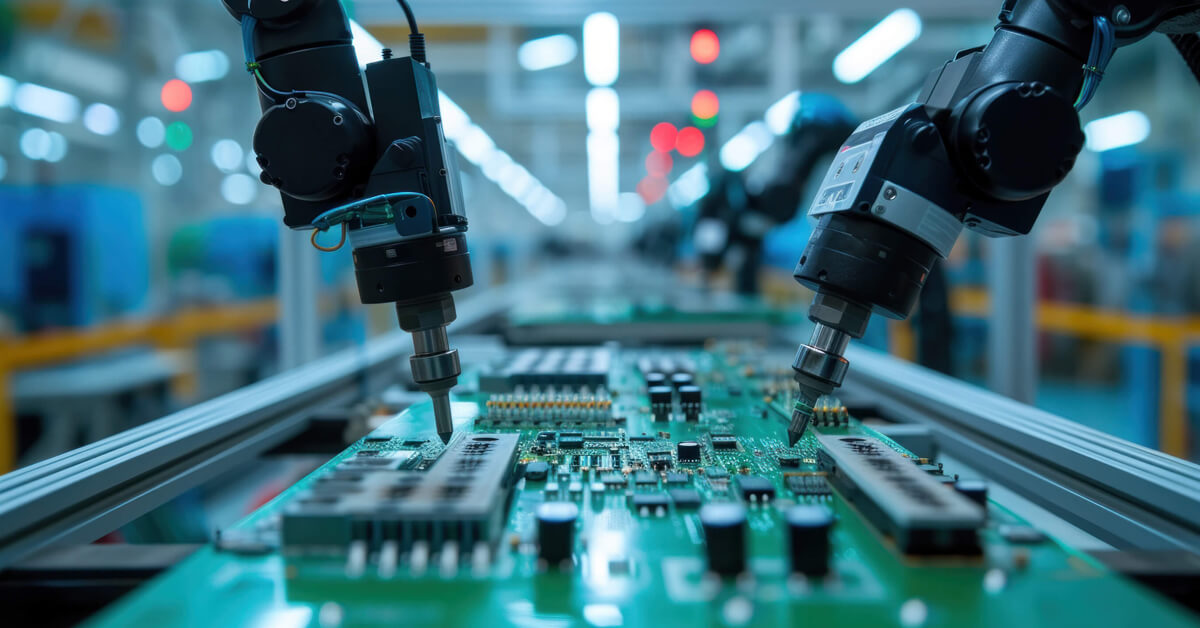
Thermal profiling is an important process in PCB assembly where each board is subjected to the right temperature variations during the conduct of the soldering process. This step is essential to ensure that the solder joints are of high quality, there is no destruction of the components and the final product is fairly reliable. This is a thorough explanation of the importance and benefits of thermal profiling in PCB assembly.
Enhancing Soldering Temperatures
Among the main reasons why a thermal profiling process is needed is to assure that the soldering process is conducted at the best temperatures that can produce strong and reliable solder joints. The thermal profile of every printed circuit board is different counting on its density of elements, materials, and the kind of solder paste. When the temperature is too low, the solder will not fuse and this will result in cold joints and electrical failures. On the other hand, when the temperature is excessive, the life cycle of the product may be reduced because the components may overheat and become degraded. Thermal profiling assists in achieving an ideal balance, where the solder gets the correct temperature at the correct time, which has created high quality and dependable solder joints which withstand real world circumstances.
Neglecting Element Damage and Thermal Stress
Most PCB components are heat sensitive. High temperatures may give way to warping of products, cracking, or internal damages. Typically, such components as capacitors, ICs, & BGAs are vulnerable. Thermal profiling is a slow rise and fall of temperatures to help mitigate thermal shock since the components are not subjected to extreme temperature changes that may damage them. Such close tracking of temperature variations contributes to keeping the integrity of the parts & the general PCB dependability.
Enhancing Process Uniformity and Quality Management
The thermal profiling is of importance in enhancing the consistency and quality control of PCB assembly. Manufacturers can use the changes in temperature observed during the soldering process to monitor and record them to make sure that every PCB receives the same thermal treatment. This uniformity is necessary in order to achieve high-quality levels and minimize the variation of the final product. Thermal profiling can also be used to detect any anomalies in the preferred temperature profile to enable manufacturers to do the required changes and ensure the quality of the PCBs remains the same.
Reducing Defects and Rework
Solder bridges, cold solder joints, and voids are some of the defects that can enjoy the reliability of a PCB. Thermal profiling aids in reduction of such defects by making sure that the soldering process is conducted under the most favorable conditions. Manufacturers could lower the incidences of defects by getting the right profile of the temperature resulting in low rework and scraping. This not only enhances the general effectiveness of the manufacturing process but also lowers the cost of production and increases the reliability of the end product.
Improving Product Reliability and Lifespan
The dependability and durability of electronic equipment is a critical factor in terms of the quality of the solder joints and integrity of the components. Thermal profiling makes sure that solder joints are robust and dependable as there is a low possibility of breakages on the usage. Thermal profiling helps to improve the overall reliability and longevity of the PCB by eliminating component damage and ensuring the best soldering conditions. This is felt especially in areas where reliability is an essential factor like in medical devices, aerospace, and automobile electronics.
The Compliance with Industry Standards
Thermal profiling is used to make manufacturers abide by industry standards and regulations. The IPC-A-610 and J-STD-001 standards distinguish the guidelines of the soldering procedure & the quality of the solder joints. With proper practices of thermal profiling, manufacturers can ascertain that their PCBs meet them, they gain compliance with the standards and get out of the possible legal and regulatory problems. The standards in the industry also increase the reputation of the manufacturer and generate trust in customers.
Thermal Management and Thermal Optimization of PCBs
Thermal management is very essential to the operation and stability of electronics. The thermal profiling allows the manufacturer a closer look at the thermal profile, behavior of the PCB during the process of soldering and this allows the manufacturers to fine tune their thermal management strategies. Knowing the distribution of heat on the PCB, the manufacturers will be able to come up with a more efficient thermal management solution, including heat sinks, thermal vias and thermal pads. Such optimization can be used to avoid overheating and make sure that PCB does not exceed the safe temperature limits.
Empowering Process Checking and Maximization
Process validation & optimization in PCBA needs thermal profiling. Manufacturers can ensure that the parameters of the process are within the given limits by recording the specific temperature of the soldering process. Such validation is essential in terms of quality and reliability of the end product. Also, thermal profiling may assist in areas of process improvement, which enables the manufacturers to optimize their soldering processes to be more efficient.
Facilitating Troubleshooting & Root Cause Examination
Thermal profiling offers useful data on troubleshooting and root cause analysis when defects or failures happen. Manufacturers can track the results of the temperature profiles of faulty PCBs in order to detect the difference between the desired temperature profile and the actual profile and determine the causes of the problems. This data will be vital in taking corrective measures and avoiding such kind of defects in the subsequent production cycles. Thermal profiling therefore is an essential factor in quality assurance and continuous improvement.
Investing into Advanced Manufacturing Techniques
With the growth in complexity of the PCB design and the growing densities of the components on the PCB, newer manufacturing methods are being adopted in the form of reflow soldering and wave soldering. These advanced techniques need thermal profiling to make sure that the process of soldering is done under the best conditions. Thermal profiling enables the manufacturer to optimize their processes and produce high quality solder joints even in highly dense and complicated PCB designs by supplying the necessary detailed data on temperature.
Conclusion
Thermal profiling is an important process in the PCB assembly, with many advantages, which improve the quality, reliability, and efficiency of the end product. Thermal profiling is crucial in the present PCB manufacturing by providing the best possible soldering temperatures, avoiding components damage, consistency in the process and aiding in meeting the industry standards. With the ever-growing complexity of the PCB design, the role of thermal profiling will only rise making it the inalienable asset of manufacturers in their quest of delivering high-quality and durable electronic equipment.